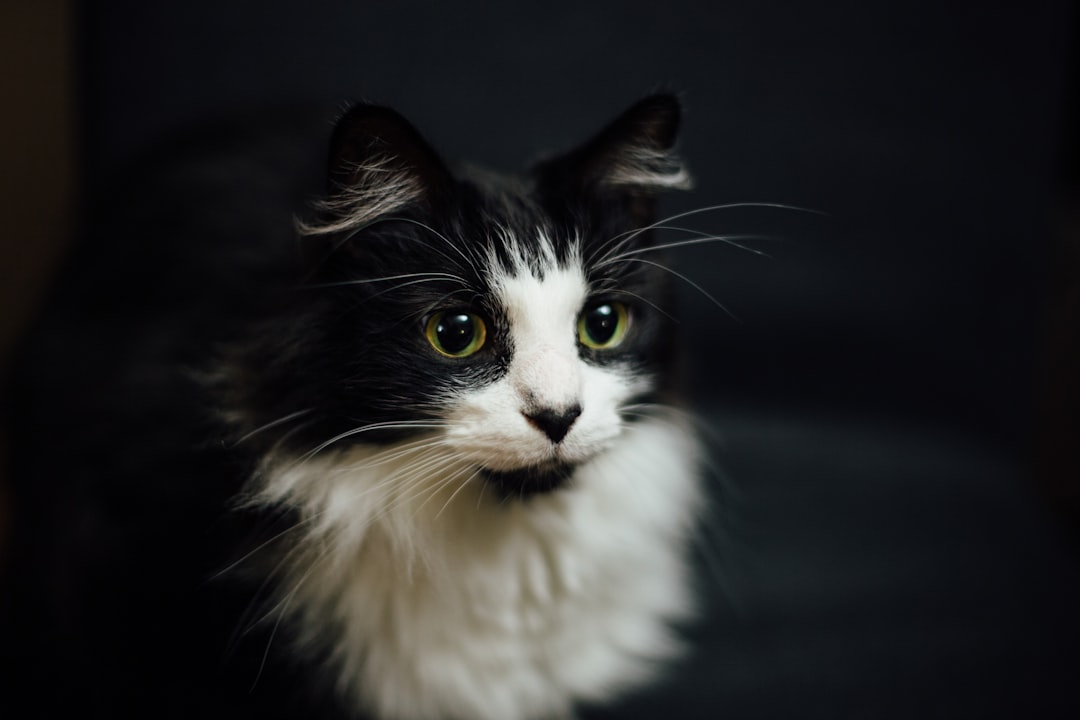
Some cats with hypertrophic cardiomyopathy, or HCM, seem completely normal until a veterinarian finds a murmur or another clue during an exam. That is part of what makes this disease so difficult for owners. It can be present before there are obvious symptoms at home.
HCM is one of the most common heart diseases seen in cats. It can affect any cat, but it is diagnosed more often in certain breeds, including Maine Coons, Ragdolls, British Shorthairs, Sphynx cats, Chartreux, and Persian cats. If you share your home with one of these breeds, that does not mean your cat will develop HCM. It does mean the condition is worth understanding and watching for.
For cat owners in Pleasanton, this is one of those health issues where routine veterinary care really matters. Early evaluation cannot prevent every problem, but it can help catch warning signs sooner and give you a clearer picture of what your cat may need.
What hypertrophic cardiomyopathy is
HCM causes the muscular wall of the heart, usually the left ventricle, to become abnormally thick. When that happens, the heart may have trouble relaxing and filling normally between beats. Over time, that can affect blood flow and increase pressure inside the heart.
Some cats live with mild disease for a long time. Others develop more serious complications, including congestive heart failure, abnormal heart rhythms, or blood clots. The disease does not follow exactly the same path in every cat, which is one reason veterinarians take suspected HCM seriously even when symptoms seem subtle.
Why some breeds need closer screening
Any cat can develop HCM, including mixed-breed cats. Still, inherited risk has been studied most closely in Maine Coons and Ragdolls, and the disease is also seen with some regularity in British Shorthairs, Sphynx cats, Chartreux, and Persian cats.
If you own one of these breeds, the goal is not to panic. The goal is to stay attentive. A higher-risk breed is simply a good reason to keep up with exams, mention breed history during veterinary visits, and ask whether screening makes sense for your cat’s age and situation.
Signs owners may notice at home
Cats are skilled at hiding illness, so early HCM can be easy to miss. In many households, the first change is not dramatic. A cat may just seem a little quieter, less interested in play, or slower to recover after activity.
Possible signs include:
- lower energy or less interest in play
- faster or more noticeable breathing at rest
- reluctance to jump or move normally
- decreased appetite
- weakness or collapse
- open-mouth breathing, which is urgent
- sudden pain or trouble using the back legs, which can happen with a blood clot
These signs do not automatically mean a cat has HCM. Breathing changes, weakness, and reduced activity can have other causes too. Still, if something feels different and the change is new, persistent, or worsening, it is worth having your cat examined.
Why HCM can be missed in early stages
One of the hardest parts of HCM is that some cats show few outward signs until the disease is more advanced. Owners often expect heart disease to look obvious, but that is not always how it works in cats.
Some cases are first picked up because a veterinarian hears a murmur, notices an irregular rhythm, or finds another abnormality during a routine exam. Others are only discovered after a complication develops. That is why a normal-looking cat, especially one from a higher-risk breed, can still benefit from periodic veterinary assessment.
How veterinarians check for HCM
If your veterinarian is concerned about possible heart disease, the workup often starts with a physical exam and a conversation about recent changes at home. From there, additional testing may be recommended.
That may include:
- chest x-rays
- blood pressure measurement
- blood testing, including cardiac-related markers in some cases
- an electrocardiogram if rhythm problems are suspected
- an echocardiogram, which is an ultrasound of the heart
An echocardiogram is especially helpful because it lets a veterinarian assess the heart’s structure and function directly. It can show whether the heart muscle is thickened and whether the chambers and valves are working as expected.
It is also important to remember that not every murmur means HCM, and not every cat with HCM has a murmur that is easy to hear. When something seems off, a fuller evaluation is often the best next step.
When screening may be worth discussing
If you have a Maine Coon, Ragdoll, British Shorthair, Sphynx, Chartreux, or Persian cat, it is reasonable to ask your veterinarian about screening, especially if your cat is entering adulthood, has a family history of heart disease, or is being considered for breeding.
Screening does not prevent HCM, but it can help identify changes earlier. Sometimes that means getting a baseline while a cat still appears healthy. Sometimes it means taking a closer look after a murmur or breathing change is noticed.
That information can be useful because HCM does not behave the same way in every cat. Some cases stay stable for quite a while. Others progress or lead to complications with little warning.
What treatment and long-term management can look like
There is no one-size-fits-all treatment plan for HCM. Care depends on how advanced the disease is and whether the cat has heart enlargement, fluid buildup, abnormal rhythms, or a history of clot-related problems.
Management may include medications to reduce fluid buildup, support heart function, control blood pressure, or lower clotting risk in selected cases. Some cats need regular rechecks and follow-up imaging. Others mainly need close monitoring at home for breathing changes, appetite, and energy level.
For many owners, the important thing to know is that treatment is often focused on reducing risk and maintaining quality of life. Even though HCM is serious, some cats do well for meaningful periods with careful monitoring and veterinary follow-up.
When HCM is an emergency
A cat with possible heart disease needs urgent veterinary attention for labored breathing, open-mouth breathing, sudden collapse, severe weakness, or sudden pain and loss of function in the back legs. These signs can point to heart failure, poor oxygenation, or a saddle thrombus, which is a blood clot blocking blood flow to the rear limbs.
These are not symptoms to watch overnight at home. Cats in respiratory distress can worsen quickly.
For Pleasanton pet owners, it helps to have an established veterinary relationship before a crisis happens. A primary care clinic can help with screening, early evaluation, and guidance on whether same-day or emergency care is needed.
What Pleasanton cat owners can do now
If your cat is in a higher-risk breed, bring that up during routine visits. Ask whether your cat’s heart sounds normal and whether screening would be useful based on age, breed, and history.
At home, pay attention to:
- changes in resting breathing
- reduced stamina or less interest in play
- appetite changes
- sudden weakness
- patterns that persist instead of passing quickly
In many Pleasanton homes, especially where cats live indoors and daily routines are steady, these changes can be easy to overlook at first. With HCM, small changes are sometimes the first signal that a closer look is needed.
The takeaway
Hypertrophic cardiomyopathy is a serious feline heart disease, but awareness helps. If you live with a Maine Coon, Ragdoll, British Shorthair, Sphynx, Chartreux, Persian cat, or any cat with concerning symptoms, it is worth asking informed questions early rather than waiting for clearer signs.
Routine exams still matter when a cat seems healthy. Follow-up matters even more if there is a murmur, a breathing change, lower energy, or another new concern. A Pleasanton vet clinic can help determine whether those changes point to HCM, another heart condition, or something else entirely.
The goal is not to alarm owners. It is to catch problems earlier, make better decisions, and give cats the best chance at steady, thoughtful care.